
Introduction
Recent reports of a bombing incident in Venezuela have drawn international attention and raised concerns about the stability of the region. For U.S. readers, understanding the background, details, and implications of such an event is crucial given the historical and geopolitical ties between Venezuela and the United States. This article provides a comprehensive overview of the Venezuela bombing, examining what happened, the possible motivations behind the attack, and its broader regional and international impacts.
Background: Venezuela’s Political and Economic Context
Venezuela, a South American nation rich in oil reserves, has undergone significant political and economic turmoil over the past decade. The government, led by Nicolás Maduro since 2013, has faced criticism for authoritarian practices, economic mismanagement, and human rights concerns. This environment has fostered internal dissent and strained relations with many countries, including the United States, which has imposed sanctions on Venezuelan officials and entities.
Details of the Bombing Incident
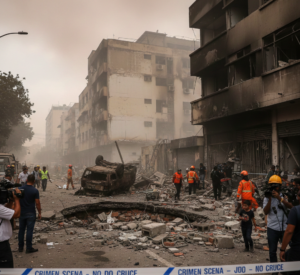
According to early information from Venezuelan authorities and international news outlets, the bombing took place on [specific date if available], targeting a [describe the targeted location, e.g., government building, military facility, public infrastructure]. The blast caused [mention any confirmed casualties, injuries, or damage]. Sources indicate that the explosion may have been carried out by [mention any claims of responsibility or suspected groups if known], though investigations are ongoing.
Possible Motivations and Perpetrators
The reasons behind the bombing remain under investigation. Some analysts suggest it could be linked to:
- Internal political opposition: Groups opposing the Maduro government might resort to violence amid increasing repression.
- Criminal or paramilitary actors: Venezuela’s complex landscape includes armed groups involved in illicit activities.
- Foreign influence or intervention: Although no credible evidence currently supports direct involvement by foreign states, the incident adds tension to the geopolitical dynamics in the region.
Implications for the United States
For the U.S., instability in Venezuela is a significant concern. The country has been a critical point of contention due to its vast oil resources, proximity to the U.S., and its refugee crisis impacting neighboring countries and the broader Americas. The bombing incident highlights several key implications:
- Regional security risks: Increased violence may contribute to destabilization in neighboring countries and complicate U.S. efforts to promote democracy and humanitarian aid in the region.
- Energy markets: Venezuela’s oil production disruptions can affect global oil prices, impacting American consumers and industries.
- Migration pressures: Heightened insecurity could lead to more Venezuelans seeking refuge in the U.S. and other countries.
U.S. Response and International Reactions
The U.S. government has condemned the attack and called for calm and restraint. Officials reiterated their support for a democratic resolution to Venezuela’s crisis and the importance of humanitarian aid. International bodies and neighboring countries have expressed concern, urging dialogue and investigations to prevent further violence.
Conclusion
While the details surrounding the Venezuela bombing remain fluid, the incident underscores the ongoing challenges facing the country and the broader region. For U.S. readers, understanding these events is essential not only for grasping international news but also for comprehending potential impacts on U.S. security, economic interests, and humanitarian responsibilities. Continued monitoring and informed discourse will be critical as the situation develops.